


Economic policy
TUAC represents the voice of labour in the international economic policy debate. Through its engagement at the OECD, TUAC fights for economic policies that create full employment and that give working people a fair share of the wealth they create.
This is done through our engagement on fiscal and monetary policy at the Economic Policy Committee and its Working Party on Macroeconomic and Structural Policy Analysis.
This work is led by Filip Stefanovic and Maciej Kumor. For more information, please contact stefanovic@tuac.org and kumor@tuac.org.
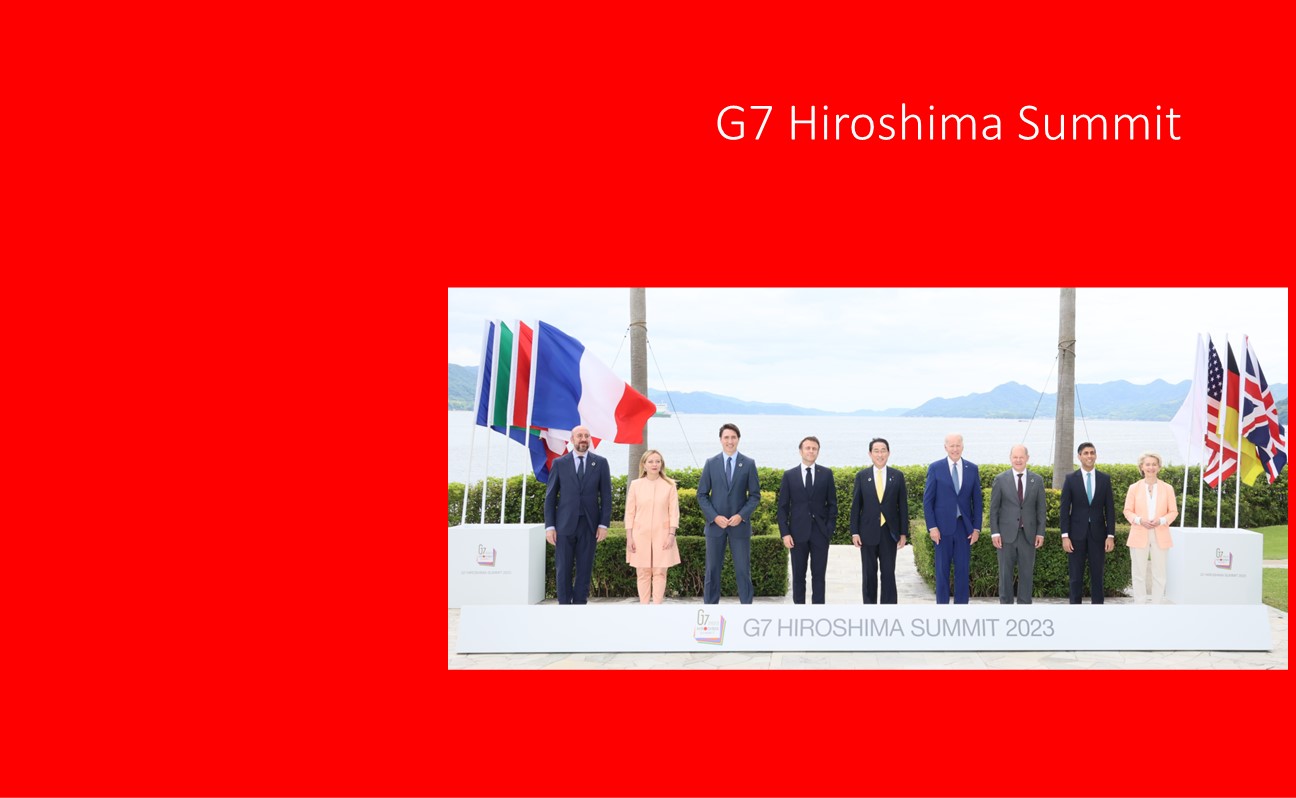
G7 Hiroshima Summit- strong words that must be followed by action
G7 leaders met in Hiroshima to adopt a joint communiqué reaffirming their support to Ukraine as well as their commitment to peace and to the principles of the UN Charter. Heads of State or Government of Japan, Canada, France, Germany, Italy, United Kingdom and United States as well as ...
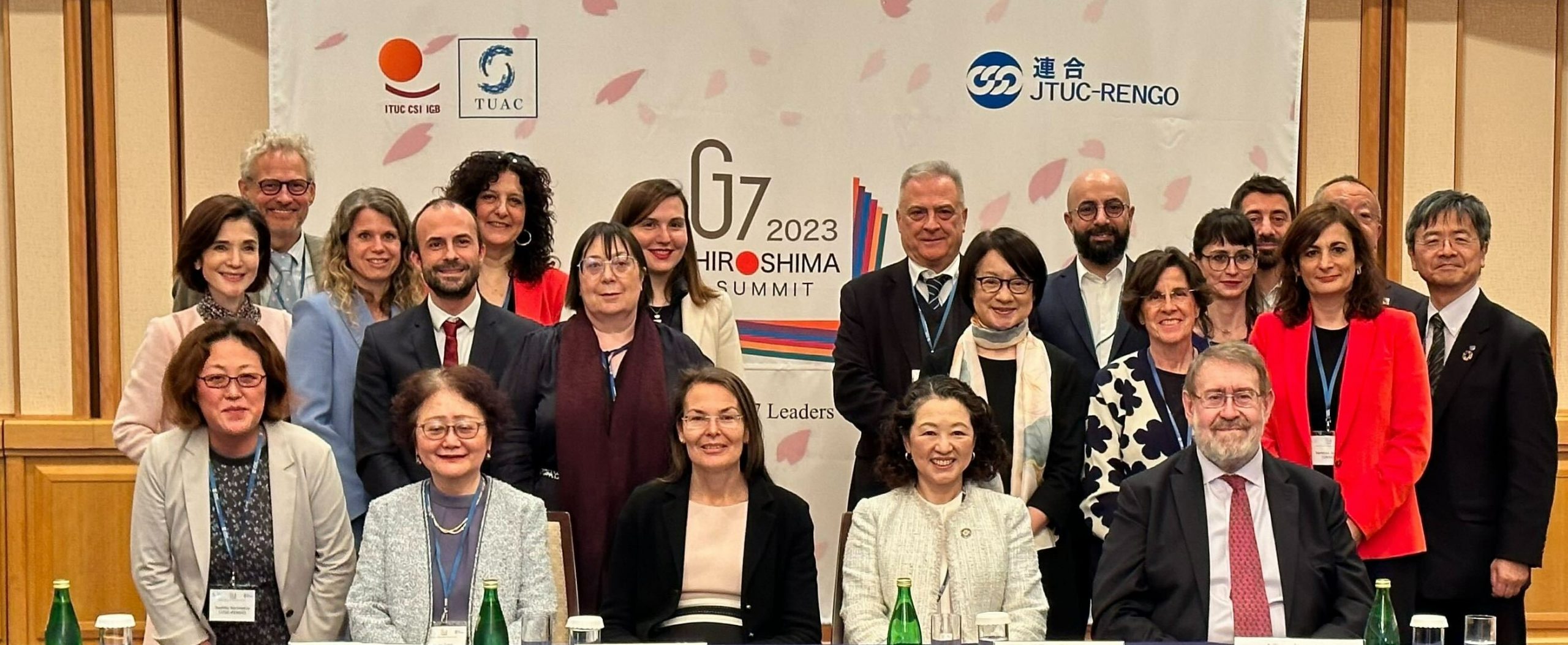
G7 Summit: under pressure to deliver on wages, collective bargaining and social protection
Japan hosts the G7 Summit of the Leaders of Canada, France, Germany, Italy, Japan, UK, USA and the EU – on 19-21 May in Hiroshima with ‘economic resilience and security’ high on the agenda. Leaders will meet in times of high geopolitical uncertainty and in global economic slowdown, and rising ...
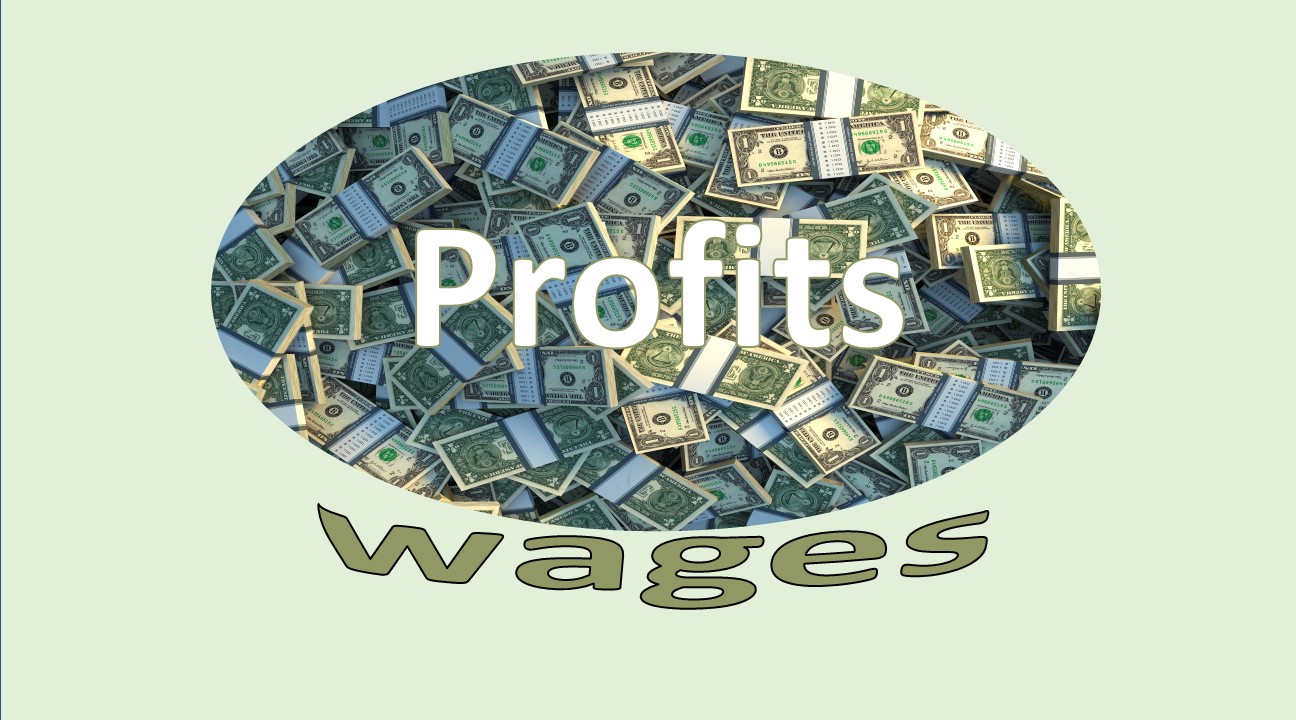
TUAC calls for recognition that inflation is being driven by profits, not wages
Ahead of the OECD’s influential annual Economic Outlook, to be published on 7 June, the Trade Union Advisory Committee to the OECD (TUAC) urges the OECD to make policy recommendations for: An immediate standstill on raising interest rates The public sector to stabilise the economy and avoid ...
 Download (273.35 KB)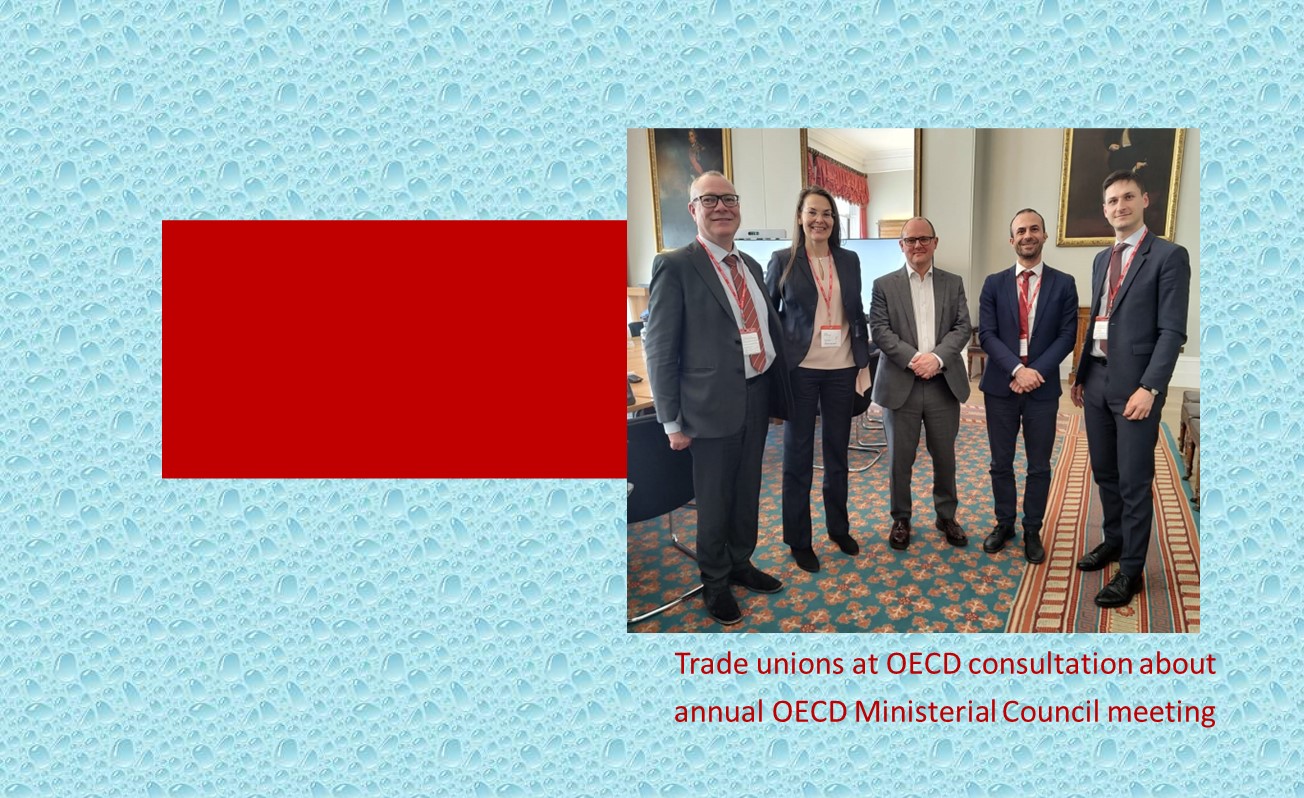
Unions urge OECD Ministerial to make right choices on cost-of-living crisis
Trade unions took an active part in consultations on the OECD Ministerial Council meeting due to take place on 7-8 June. The OECD Ministerial Council is expected to adopt new OECD Guidelines for multi-national companies on responsible business conduct, discuss economic policies “for resilient, ...

To advance living wages, strengthen collective bargaining
The working paper from OECD’s Well-being, Inclusion, Sustainability and Equal Opportunity Centre (WISE) that was released on 24 April 2023 compares the different methodologies that are being used to calculate a living wage, in other words a wage that allows workers to reach a basic decent ...
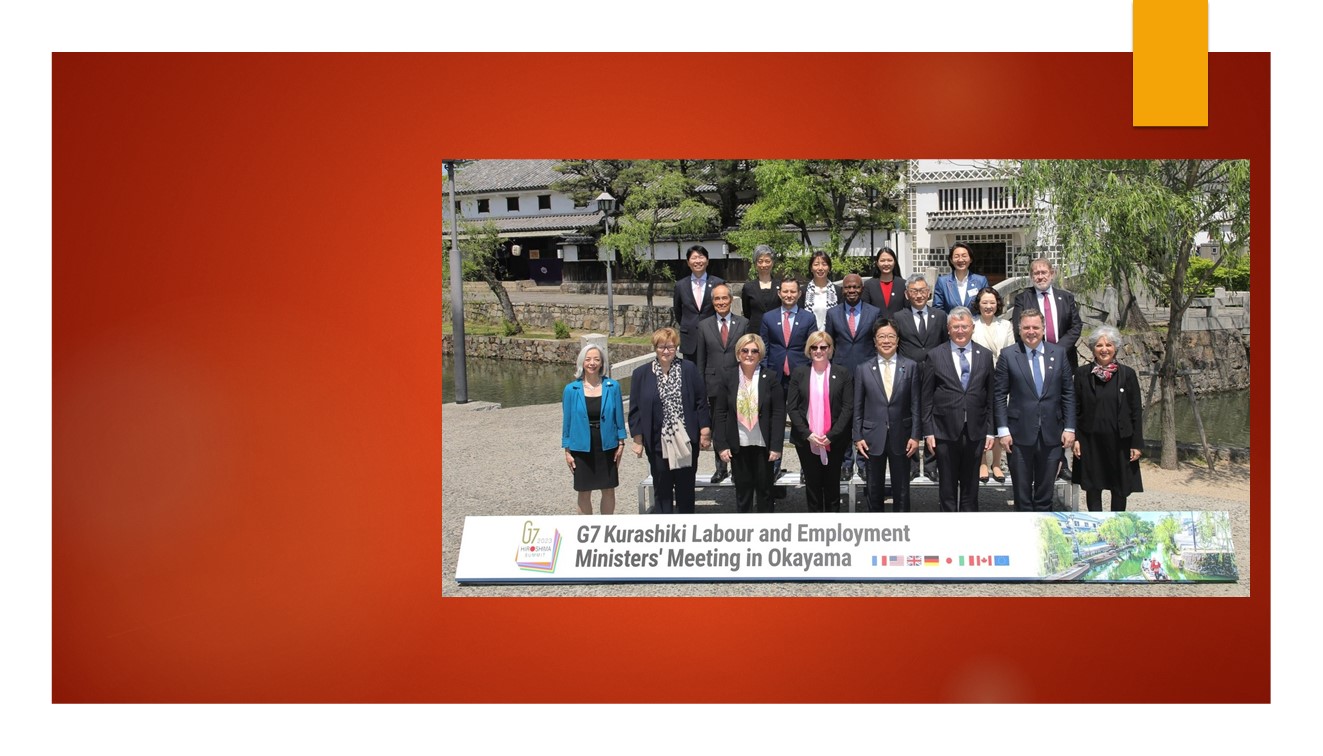
G7 Labour and Employment Ministers commit to wage growth and collective bargaining
G7 Employment and Labour Ministers met in Kurashiki, Japan, on 22-23 April 2023 to negotiate and adopt the Declaration ‘Investing in Human Capital’. In a context of high geopolitical uncertainty, the cost-of-living crisis, and a global economic slowdown affecting millions of workers, it is ...
Recovery ? What Recovery ? TUAC Analysis of the OECD Interim Economic Report 13 April 2023
The OECD recently published its interim report on the economic outlook, expecting economic growth to gradually recover from the negative shocks suffered over the last year. A closer analysis of the interim report by TUAC reveals that, two years after the pandemic, OECD economies are still ...
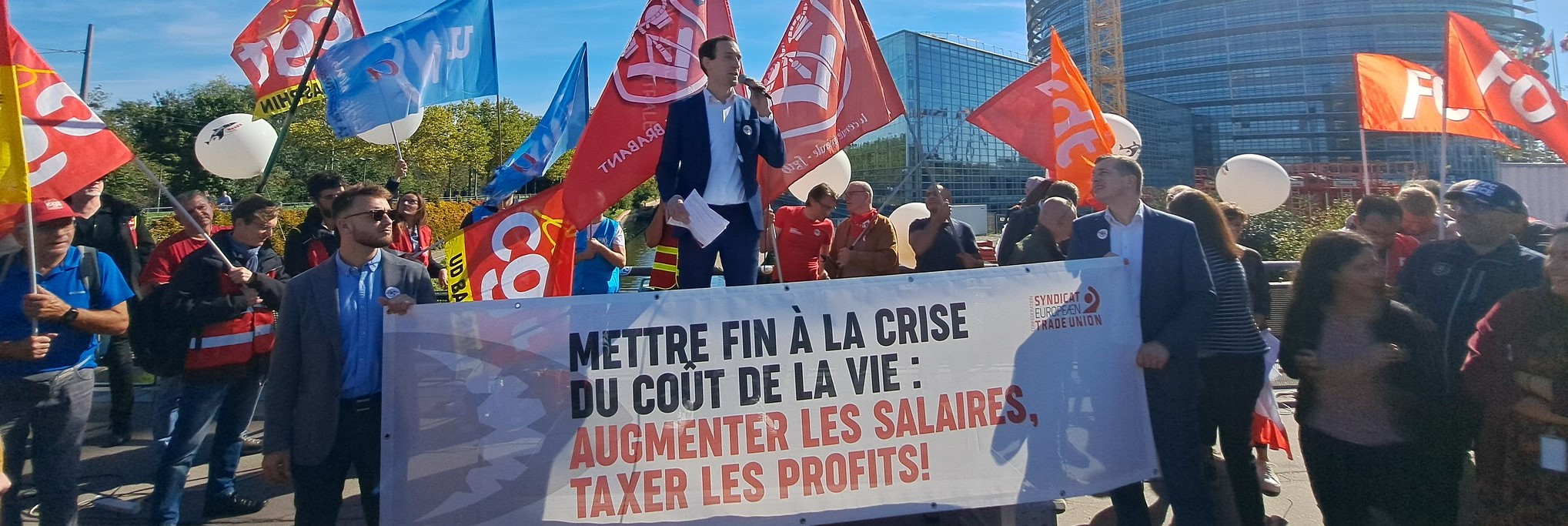
Profit-price spirals are driving inflation and increasing inequality
The cost-of-living crisis is hitting workers hard. Wages are having a hard even impossible time in trying to catch up with inflation. Real wages are falling across all OECD countries. Hiding behind the cost-of-living crisis is a deeper story. It is the story of businesses using shocks in energy and ...
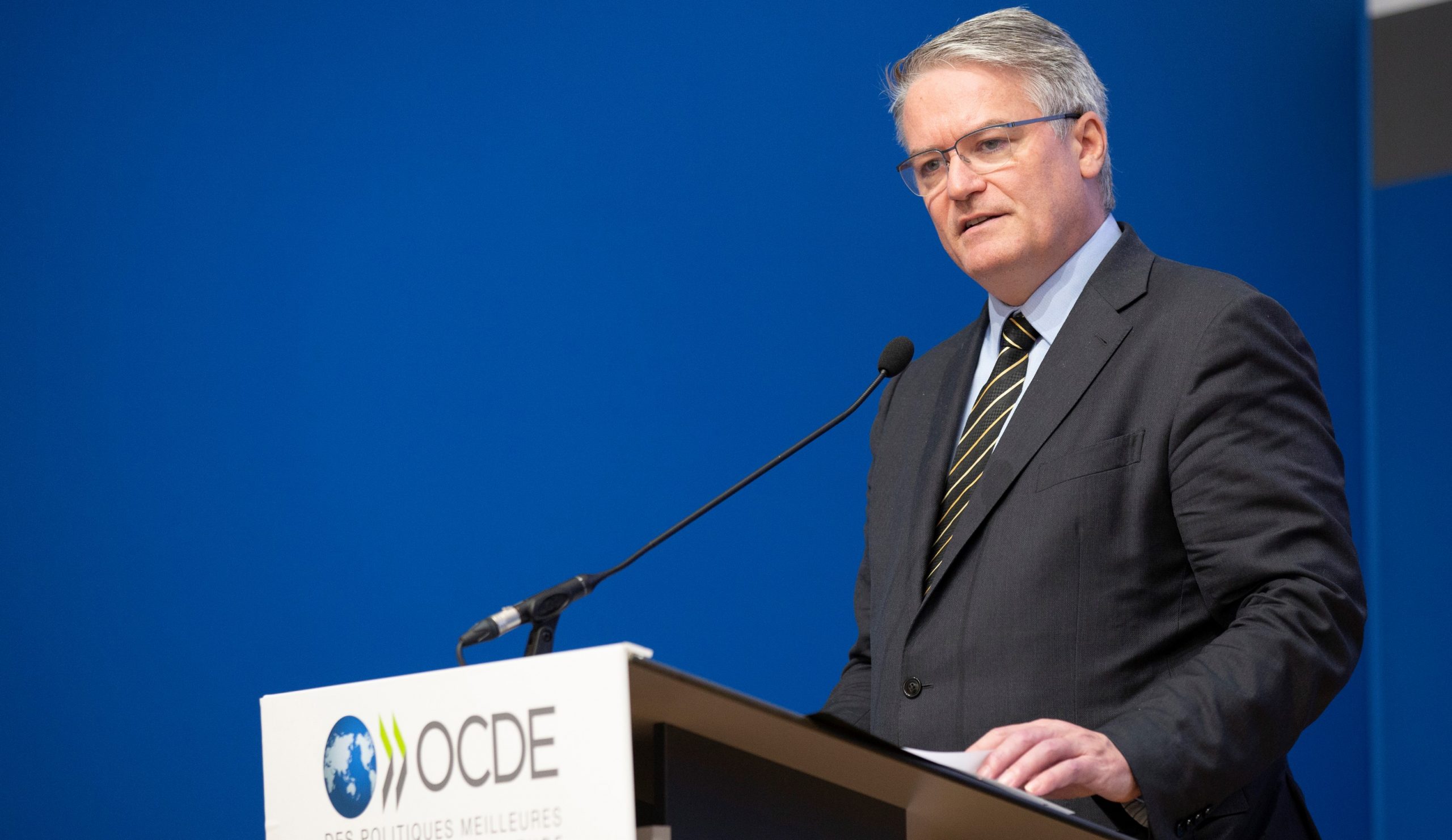
OECD irresponsible to recommend interest rates hikes
The cost-of-living crisis is hitting workers hard. Wages are having a hard even impossible time in trying to catch up with inflation. Real wages are falling across all OECD countries. Hiding behind the cost-of-living crisis is a deeper story. It is the story of businesses using shocks in energy and ...
